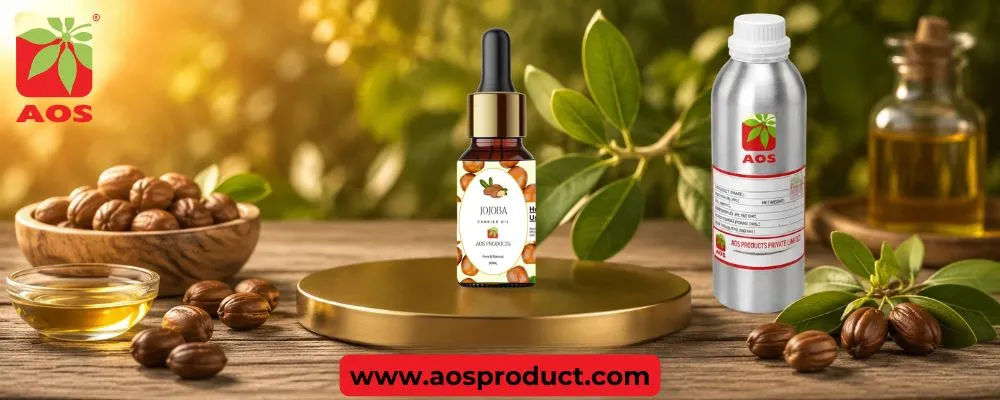
In the landscapes of the American Southwest, where the sun was strong and rainfall was scarce, a remarkable plant learned to thrive. That plant was the jojoba shrub. I have seen jojoba shrubs stand tall in heat, showing how jojoba can survive.
For generations, the small seeds of jojoba were valued for the liquid they contained. Unlike conventional vegetable oils, jojoba oil possesses a special wax‑ester composition that gives jojoba oil great stability and a smooth, nice feel. This made jojoba oil increasingly interesting to formulators who searched for an ingredient that could bring both performance and refinement. I have read that scientists use jojoba oil because it behaves well in mixtures.
As the story of jojoba travelled from desert fields to laboratories, the applications of jojoba expanded. Today jojoba oil is widely used in cosmetics, skincare, haircare, personal care and pharmaceutical formulations. In those products, jojoba oil’s consistency and skin‑friendly characteristics make jojoba a versatile ingredient. I notice that many lotions contain jojoba oil.
The real strength of jojoba oil lies in its simplicity. Sourced from seeds, controlled processing and rigorous quality testing transform a humble desert seed into a sophisticated raw material suitable for demanding applications. I appreciate how simple steps create a high‑quality product.
From a shrub growing under a harsh sun to a valued ingredient, in modern formulations jojoba oil tells a story of stability, purity and nature‑inspired innovation. I find this journey inspiring.
I really love how jojoba oil feels on the skin because it has such a texture. Most people think of it as an oil, but jojoba oil is actually a liquid wax ester that comes from the seeds of the jojoba plant. This special makeup helps jojoba oil stay fresh for a time without going bad. Because jojoba oil stays so stable, you will see jojoba oil used in different things, like skin creams, medicines, and even industrial products.
Unlike plant oils, jojoba oil looks very similar to the natural sebum that lives on human skin. Jojoba oil is lightweight. It is non-greasy, so jojoba oil spreads easily and leaves a soft, conditioned feel. Jojoba oil naturally has long‑chain wax esters and other compounds that help jojoba oil stay stable and work well.
Jojoba oil has become a part of modern products. In the world of cosmetics and personal care, it is often used in moisturizers, creams, lotions, hair products, lip care items, and massage oils. The way it softens and nourishes makes it very helpful in items that aim to make skin and hair feel better and look better.
The way it stays good over time and how it can be used in ways also makes jojoba oil something that is wanted in medicines and special products. These products need a top-quality plant-based ingredient.
In applications, the quality and consistency of jojoba oil are essential. Factors such as purity, appearance, physicochemical characteristics, processing, storage, and proper quality testing all help ensure that jojoba oil performs reliably from one batch to the next.
High‑quality jojoba oil is more than an ingredient. It is a material that is carefully controlled so that jojoba oil meets the expectations of modern manufacturers.
From skincare labs to personal care production, jojoba oil keeps showing why natural ingredients stay important in product making. Its special chemistry, stability, and many uses have made it a top ingredient for people who want results and a natural look. Jojoba oil combines nature, stability and versatility—making it a lasting choice for mixtures.
Bulk Order Enquiry Click Here
Buy Tea Tree Oil Click Here